The program offers a rare opportunity to study Yiddish at an advanced level – and to learn, in Yiddish, about Yiddish culture in postwar Germany. Participants will visit historical sites such as the former DP camp of Föhrenwald/Fernvald and places that were important to the Yiddish culture of postwar Munich.
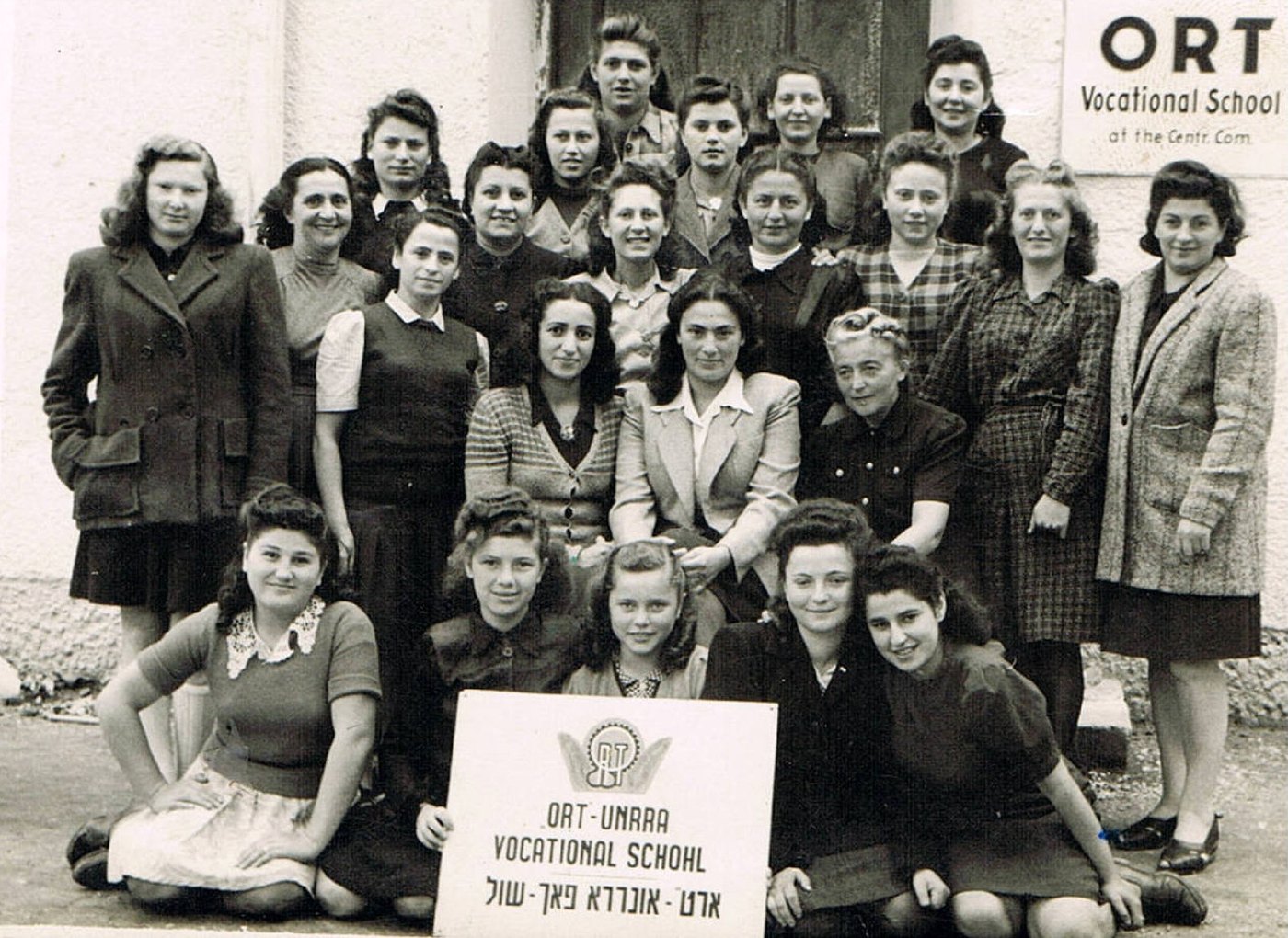
Courtesy of the BADEHAUS Memorial Site
Daily schedule (provisional)
Monday, Tuesday, Thursday, Friday
- 10:00–11:00 language class
- 11:00–11:30 coffee break
- 11:30–12:30 language class
- 14:30–19:00 workshops, lectures, and other events
Wednesday: day trip to Wolfratshausen
- Visit to the BADEHAUS Memorial Site, with a guided tour of the former camp grounds and the exhibition
- Meeting and conversation with Berl Salamander, who lived in the Föhrenwald/Fernvald DP camp
Friday evening
The program concludes with a gathering at which we welcome Shabbos together and say our goodbyes.
Language classes
Classes are offered at two levels: for advanced students and for students with a good passive knowledge of Yiddish.
Lectures, workshops, and tours (planned)
Lectures
- Yiddish writers in postwar Germany
- Jewish history after the genocide
- Yiddish culture in twentieth-century Munich
Workshops
- Doing oral history in Yiddish
- Creating Yiddish zines
- Working with the Yiddish press: the Munich weekly Naye yidishe tsaytung
- Reading handwritten Yiddish texts
- New and creative ways to remember Jewish life in the DP camps and postwar West Germany
Tours
- Jewish places of postwar Munich
- The Reichenbachstrasse Synagogue
- The Monacensia, home to Rachel Salamander’s archive
The detailed program will be announced in the coming weeks.
Organizers
- Dr. Tal Hever-Chybowski, Martin Luther University Halle-Wittenberg
- Dr. Alexandra Polyan, University of Regensburg
- Philip Schwartz, M.A., Heinrich Heine University Düsseldorf
- Dr. Daria Vakhrushova, Ludwig Maximilian University of Munich
The winter program is organized by “Yiddish in Germany” in partnership with the BADEHAUS Memorial Site in Wolfratshausen.
Supported by the Fortunoff Video Archive for Holocaust Testimonies at the Beinecke Rare Book and Manuscript Library, Yale University, and the Kronhill Pletka Foundation, in memory of Lilka Kronhill.